
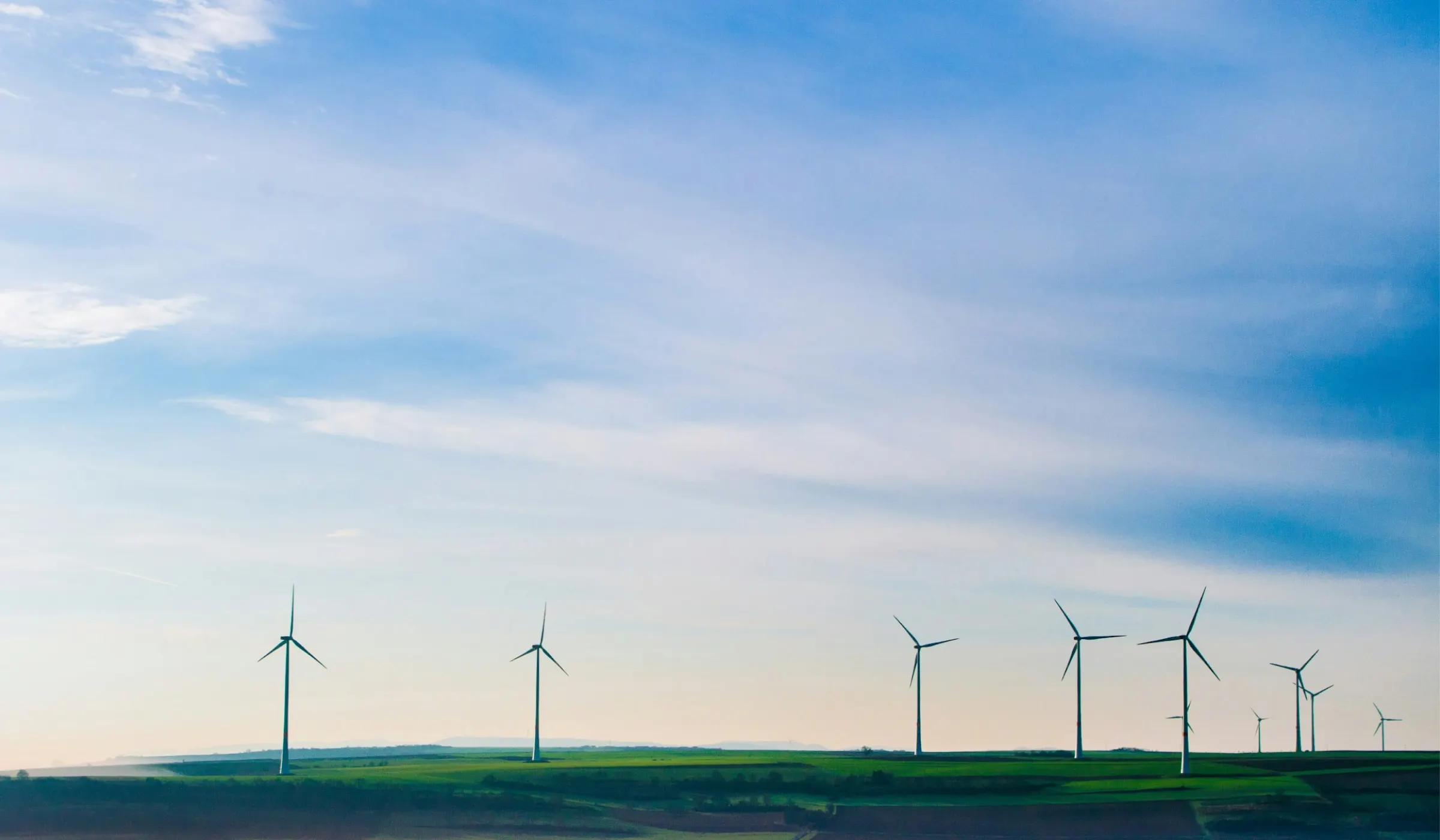
Sustainable, long-term environmental solutions
Long-term environmental permits for your business, operations that run safely and in compliance with the law, and transparent progress on every application.
Long-term, sustainable environmental solutions
Sustainable Environmental Solutions is a business and/or activity run under the legal entity PT Cipta Harumi Kotsara, focused on providing long-term, sustainable solutions to environmental problems. Our experienced team is ready to improve the quality of your business's environmental studies, minimizing negative impacts while maximizing positive ones.
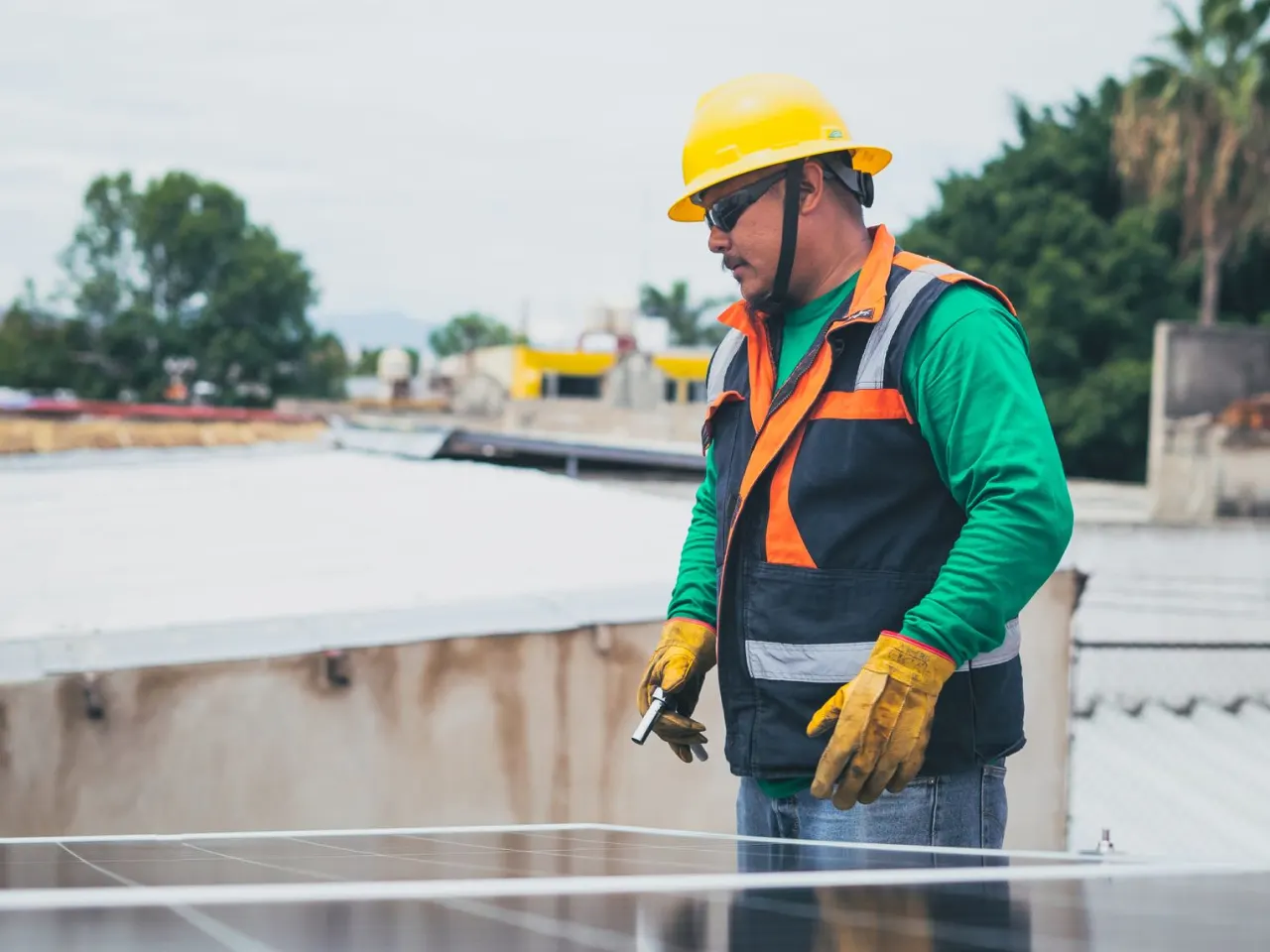
Environmental document and technical approval projects
Consecutive track record
Industrial sector groups served
Levels of authority, from regency to ministry
Nine environmental permitting and compliance services
Environmental Approval, Technical Approval, Operational Feasibility Certificate, technical details for B3 (hazardous and toxic) waste storage, implementation reports, and Company Environmental Performance Rating Program (PROPER), along with their amendments.
Environmental Approval
A feasibility decision or a statement of commitment to environmental management, required before business licensing.
Environmental Approval Amendment
For businesses that already hold an Environmental Approval and are planning changes.
Technical Approval
Wastewater, emissions, B3 (hazardous and toxic) waste management, and traffic impact analysis.
Technical Approval Amendment
For technical changes to wastewater, emissions, B3 waste, or traffic-related activities.
Operational Feasibility Certificate (SLO)
A statement of compliance with environmental protection and management standards.
Technical Details for B3 Waste Storage
A storage obligation for every generator of B3 waste.
Technical Details for B3 Waste Storage Amendment
When the waste name, location, or storage design and capacity change.

Environmental Approval Implementation Report
Periodic environmental management and monitoring reports to the competent authority.
Company Environmental Performance Rating Program (PROPER)
Company performance rating, from Gold to Black.
A measured workflow at every stage
- 01Identification
Understanding your activities and permit status
An initial assessment to determine which documents are actually required for the scale and location of your activities.
 02Preparation
Data collection and technical studies
Baseline environmental sampling, calculation of discharged waste volumes, and preparation of documents in the agency's required format.
- 03Support
Support until the approval is issued
We support you through technical discussions, assessment hearings, and document revisions until the decree is issued.
- 04Verification
Facility verification and monitoring
Support for field verification for the SLO, followed by periodic reporting to keep your compliance status in good standing.
Two ways to handle environmental obligations
A single business and/or activity may be required to hold several documents at once, from Environmental Approval to periodic reports. Here is the difference at each stage when documents are handled separately and when one team supports you from the start.
Handled separately
Supported by SES
- 01Initial assessment
Handled separatelyDocument type is determined late, often incorrectly
Supported by SESDocument requirements are checked at the outset, before costs are incurred
- 02Environmental Approval
Handled separatelyBusiness licensing is held up because the Environmental Approval has not been issued
Supported by SESEnvironmental Approval is supported until the decree is issued
- 03Technical studies
Handled separatelyTechnical studies are prepared without reference to the facility design
Supported by SESTechnical studies are prepared to match actual facility conditions on site
- 04Field verification
Handled separatelyThe facility is already built but fails field verification
Supported by SESThe facility is checked against the Technical Approval before field verification
- 05Periodic reporting
Handled separatelySemi-annual reports are late or not submitted to SIMPEL (the online environmental reporting system)
Supported by SESEnvironmental Approval implementation reports are prepared and submitted on time
- 06Inspection
Handled separatelyCompliance gaps only come to light when inspectors arrive
Supported by SESCompliance gaps are mapped through periodic audits
- 07Coordination
Handled separatelyEach document is handled by a different party without coordination
Supported by SESOne point of responsibility from documents to the Operational Feasibility Certificate and reporting
Regulatory & Compliance Roadmap
The permitting sequence, from spatial use conformity to the Operational Feasibility Certificate.
- Stage 1KKPR
Spatial conformity
Spatial use conformity approval.
- Stage 2Technical Approval
Technical standards
Wastewater, emissions, B3 waste, and traffic impact analysis.
- Stage 3Environmental Approval
Environmental feasibility
AMDAL, UKL-UPL, Detailed RKL-RPL, DELH, or DPLH.
- Stage 4PBG
Buildings
Building approval.
- Stage 5SLO
Operational feasibility
Wastewater, emissions, B3 waste, and traffic impact analysis.
Why choose us
Long-term, sustainable permits
Our services ensure your business's environmental permits remain valid for the long term, so you do not have to go through the trouble of obtaining environmental permits again and again.
Safe and compliant operations
We ensure your business operations run safely and in compliance with the law, for long-term business sustainability.
Financial impact from waste management
Our services optimize your business's waste management so that it is put to good use and delivers financial impact, both direct and indirect.
Certainty of processing time
Transparent progress tracking gives you certainty on when you can start legally compliant business operations.
Experienced team
Our experienced team is ready to improve the quality of your business's environmental studies, minimizing negative impacts while maximizing positive ones.
Biotic, abiotic, and biosphere read as one system
The impact of an activity never stands alone. Water quality affects flora and fauna, emissions affect the air and workers' health, and both ultimately bear on the environment's capacity to support business activities. Our studies examine all three together, not one at a time.
Learn about our approach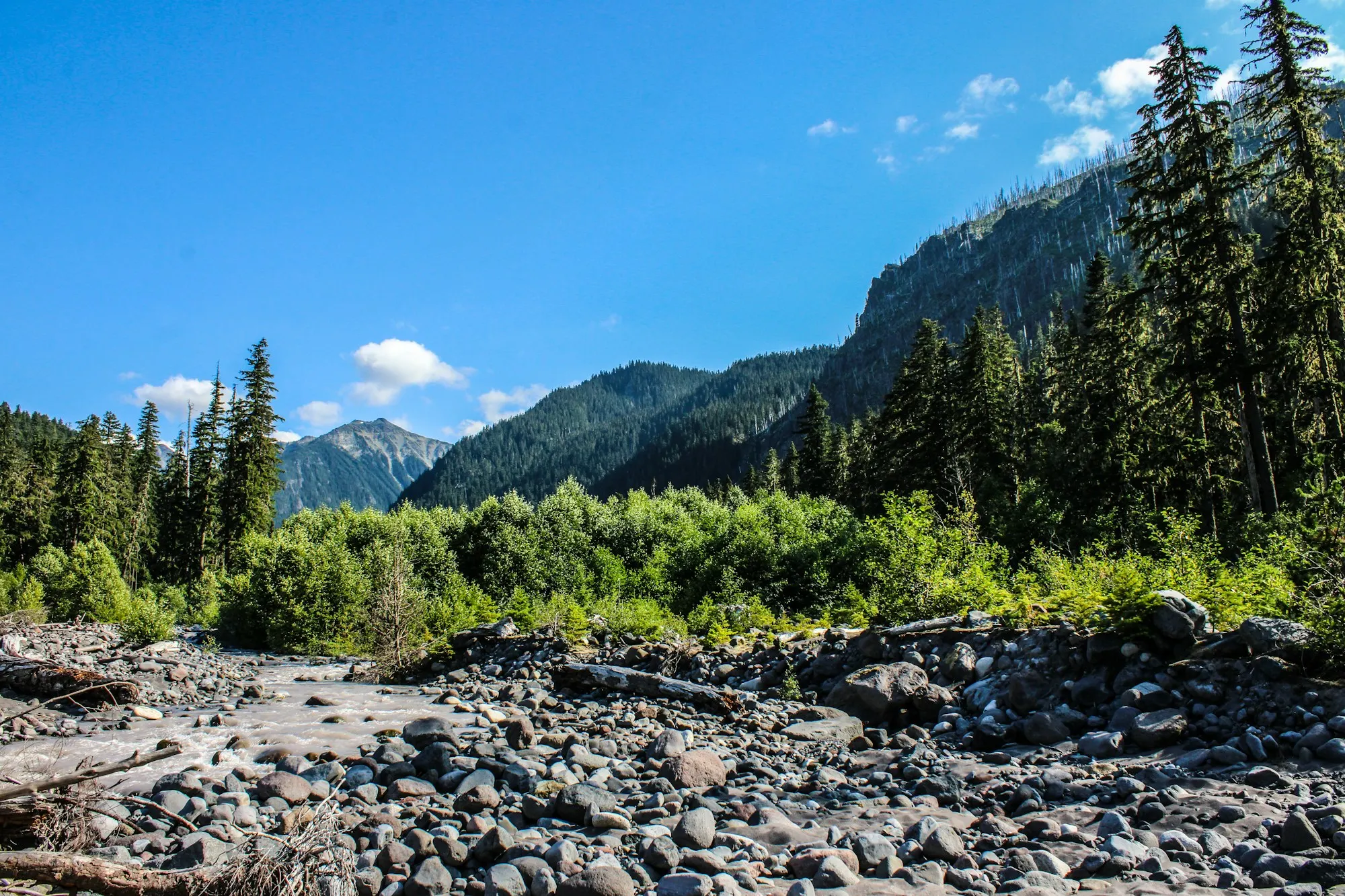
Most frequently asked questions
The answers below are general. Actual obligations depend on the scale, location, and type of activity, so they should be confirmed through an initial assessment.
This is determined through an initial assessment that looks at the type of activity, its scale, and its location. Activities with significant impacts and large scale require an AMDAL (environmental impact assessment), activities with non-significant impacts require a UKL-UPL (environmental management and monitoring efforts), and small-scale activities only need an SPPL (environmental management and monitoring commitment statement). Location also matters, because activities inside or bordering protected areas are treated differently even at the same scale.
As a reference: AMDAL 6–12 months, UKL-UPL 3–6 months, and SPPL 1–2 days. The actual time depends on the completeness of the data and the assessing agency's hearing schedule, since an AMDAL goes through public consultation and several assessment stages. We provide a more definite schedule after reviewing the details of your activities.
PERTEK (Technical Approval) is a technical approval of discharge or utilization standards, for example wastewater into water bodies, stack emissions, or B3 (hazardous and toxic) waste management. RINTEK (Technical Details for B3 Waste Storage) covers the storage of B3 waste, including the TPS (temporary storage facility) building, packaging, symbols, and labels. They are different documents with different processes.
Yes. The route is a DELH (environmental evaluation document) for activities that should have required an AMDAL, and a DPLH (environmental management document) for those that should have required a UKL-UPL. These documents are used to resolve administrative sanctions and restore the legal standing of activities that are already operating.
No. The SLO is issued after field verification confirms that the facility has been built and functions in accordance with the PERTEK. The sequence is: PERTEK first, then the facility is built according to that PERTEK, then trial operation, and only then verification for the SLO.
At the frequency stipulated in the environmental feasibility decree. If none is stipulated, reports are submitted once every 6 months. Reports are submitted through the SIMPEL system. This obligation applies for as long as the Environmental Approval remains active, including periods when the activity is not in full production.
Yes. We provide support for matters at both the central government and regional agency levels, and projects can be handled anywhere in Indonesia. Site visits are arranged according to the activity's location.
Ready to secure your business's compliance and sustainability?
Tell us your type of activity and current permit status. We will help map out the required documents, estimated processing time, and cost.